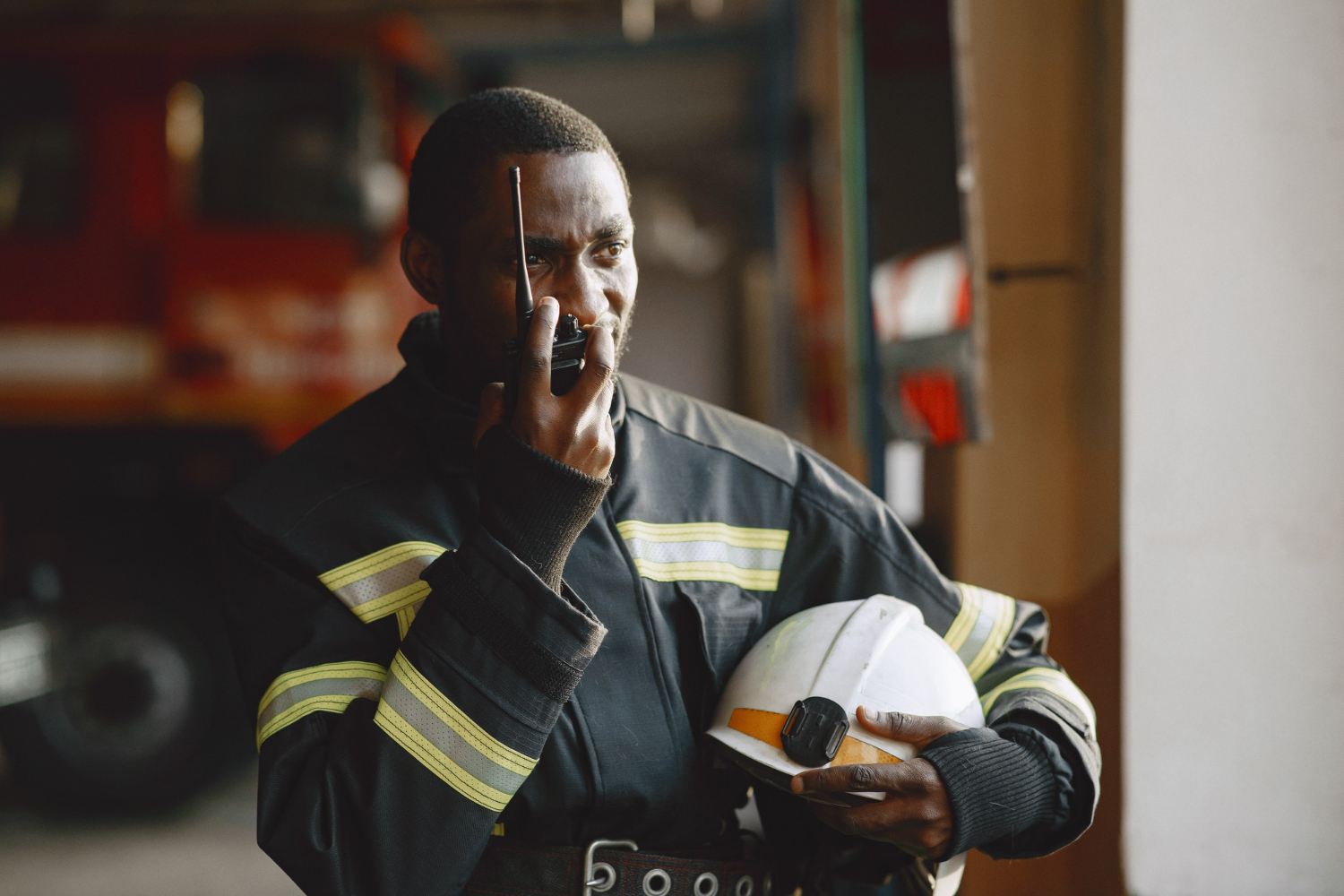
Equipping Security Personnel to Handle High-Stress Situations

In today’s dynamic and often unpredictable security landscape, security personnel are frequently exposed to high-stress situations that demand quick thinking, decisive action, and unwavering composure. Whether it’s responding to emergencies, diffusing volatile conflicts, or maintaining order in chaotic environments, the ability to manage stress effectively is paramount for ensuring the safety and well-being of both security personnel and those they protect. In this comprehensive guide, we will explore the strategies, training, and resources necessary for equipping security personnel to navigate and thrive in high-stress situations.
Understanding High-Stress Situations
High-stress situations in the context of security personnel encompass a wide range of scenarios that elicit intense emotional and physiological responses. From confrontations with hostile individuals to handling emergencies such as fires or medical crises, security personnel must be prepared to confront and manage stressors effectively. These situations often involve elements of danger, uncertainty, and time pressure, placing considerable demands on the cognitive and emotional faculties of security personnel.
Recognizing Signs of Stress
Recognizing the signs of stress is crucial for both security personnel and their supervisors. Physical manifestations of stress may include increased heart rate, shallow breathing, muscle tension, and gastrointestinal discomfort. Emotionally, individuals may experience heightened anxiety, irritability, fear, or a sense of overwhelm. Behaviorally, signs of stress can manifest as difficulty concentrating, restlessness, withdrawal, or impulsivity. By familiarizing themselves with these indicators, security personnel can take proactive steps to address stress before it escalates.
Effects of Stress on Security Personnel
The effects of stress on security personnel extend beyond mere discomfort; they can significantly impact job performance, decision-making, and overall well-being. Chronic stress has been linked to a range of adverse health outcomes, including hypertension, cardiovascular disease, and mental health disorders such as anxiety and depression. In the security context, unchecked stress can impair judgment, decrease situational awareness, and compromise the ability to respond effectively to emergencies. Moreover, prolonged exposure to stress can lead to burnout, absenteeism, and turnover, posing challenges for organizational stability and security effectiveness.
Strategies for Stress Management
Effectively managing stress requires a multifaceted approach that addresses the physical, emotional, and cognitive dimensions of well-being. Mindfulness practices, relaxation techniques, and stress-reduction exercises can help security personnel cultivate resilience and regulate their physiological responses to stress. Breathing exercises, progressive muscle relaxation, and guided imagery are simple yet powerful tools for promoting relaxation and stress relief in high-pressure situations. Additionally, engaging in regular physical activity, maintaining a healthy diet, and prioritizing adequate sleep are foundational pillars of stress management that support overall resilience and well-being.
Training and Preparation
Training plays a critical role in preparing security personnel to handle high-stress situations with confidence and competence. Scenario-based exercises, role-playing simulations, and immersive training experiences provide opportunities for security personnel to practice decision-making under pressure and refine their crisis response skills. By simulating realistic scenarios and providing constructive feedback, training programs help security personnel develop the situational awareness, communication skills, and problem-solving abilities necessary for effective stress management. Ongoing education and skill development ensure that security personnel remain adaptable and resilient in the face of evolving threats and challenges.
Support Systems and Resources
In addition to training, security personnel benefit from access to support systems and resources that promote well-being and resilience. Employee assistance programs (EAPs), counseling services, and peer support networks offer avenues for seeking guidance, coping strategies, and emotional support during times of stress. Supervisors and organizational leaders play a pivotal role in fostering a culture of support and psychological safety, encouraging open communication, and destigmatizing discussions around stress and mental health. By prioritizing employee well-being and investing in supportive infrastructure, organizations demonstrate their commitment to the health and resilience of their security personnel.
Organizational Strategies
Organizational strategies for mitigating stress and promoting resilience involve proactive measures to address systemic stressors and foster a culture of well-being. Leadership plays a central role in setting the tone for organizational culture and modeling healthy behaviors. By prioritizing work-life balance, recognizing and rewarding contributions, and providing opportunities for professional growth and development, leaders create environments that empower security personnel to thrive. Employee wellness programs, stress-reduction policies, and flexible scheduling options are tangible initiatives that demonstrate organizational commitment to employee well-being and resilience.
Case Studies and Examples
Real-life case studies and examples offer valuable insights into the practical application of stress management strategies in security settings. By examining successful interventions, lessons learned, and best practices from actual experiences, security personnel gain actionable guidance and inspiration for navigating high-stress situations effectively. Case studies highlight the importance of preparation, communication, and collaboration in mitigating stress and achieving positive outcomes in challenging circumstances. Moreover, they underscore the resilience and adaptability of security personnel in the face of adversity, serving as powerful reminders of the human capacity to overcome obstacles and thrive under pressure.
Conclusion
In conclusion, equipping security personnel to handle high-stress situations is not only a matter of necessity but also a moral imperative. By prioritizing stress management strategies, training, and support systems, organizations can empower security personnel to perform their duties effectively while safeguarding their well-being. Through mindfulness, preparation, and a commitment to resilience, security personnel can navigate the complexities of their roles with confidence, professionalism, and compassion. Together, we can create safer, more secure environments for all.
Additional Resources
For further reading and resources on stress management and resilience in security settings, consider exploring the following:
- National Alliance on Mental Illness (NAMI) – Crisis Resources
- International Critical Incident Stress Foundation (ICISF)
- American Psychological Association (APA) – Stress Management
- Security Magazine – Stress Management for Security Professionals
Remember, prioritizing your well-being and seeking support when needed are signs of strength, not weakness. Together, we can build a resilient and thriving security workforce.