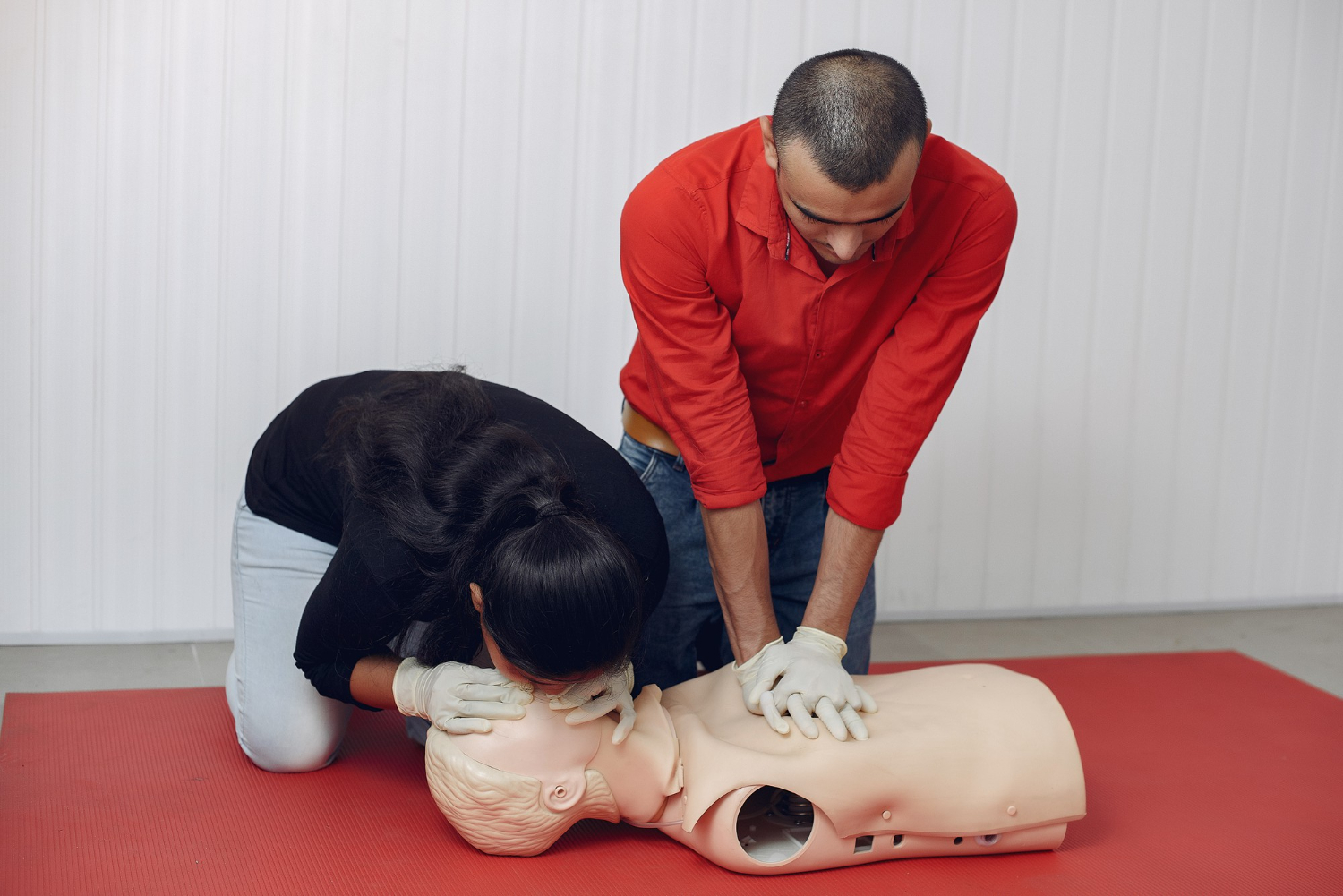
Mastering CPR: A Guide to Saving Lives in Emergency Situations

Cardiopulmonary Resuscitation (CPR) is a lifesaving technique used to restore blood circulation and breathing in a person who has stopped breathing or whose heart has stopped beating. It is a crucial skill that can help save a life in emergency situations such as cardiac arrest, drowning, electrocution, or choking.
CPR involves a combination of chest compressions and rescue breaths, which help to:
- Maintain blood flow to the brain and other vital organs
- Oxygenate the blood
- Help restore a normal heartbeat
The American Heart Association (AHA) recommends the following CPR steps:
- Call 911 or your local emergency number
- Check the person’s airway, breathing, and circulation (ABCs)
- Start chest compressions (30 compressions)
- Give rescue breaths (two breaths)
- Continue compressions and breaths until emergency medical services (EMS) arrive
CPR can be performed by trained laypersons, as well as healthcare professionals. It is important to note that CPR should only be performed on someone who is unresponsive and not breathing normally.
Some key points to remember:
- CPR should be started as soon as possible after cardiac arrest
- Chest compressions should be done at a rate of 100-120 per minute
- Rescue breaths should be given at a rate of 10-12 per minute
- CPR should be continued until EMS arrives or the person’s heart starts beating again
Remember, CPR is a vital skill that can help save a life. If you are interested in learning more or getting certified, contact us today.